
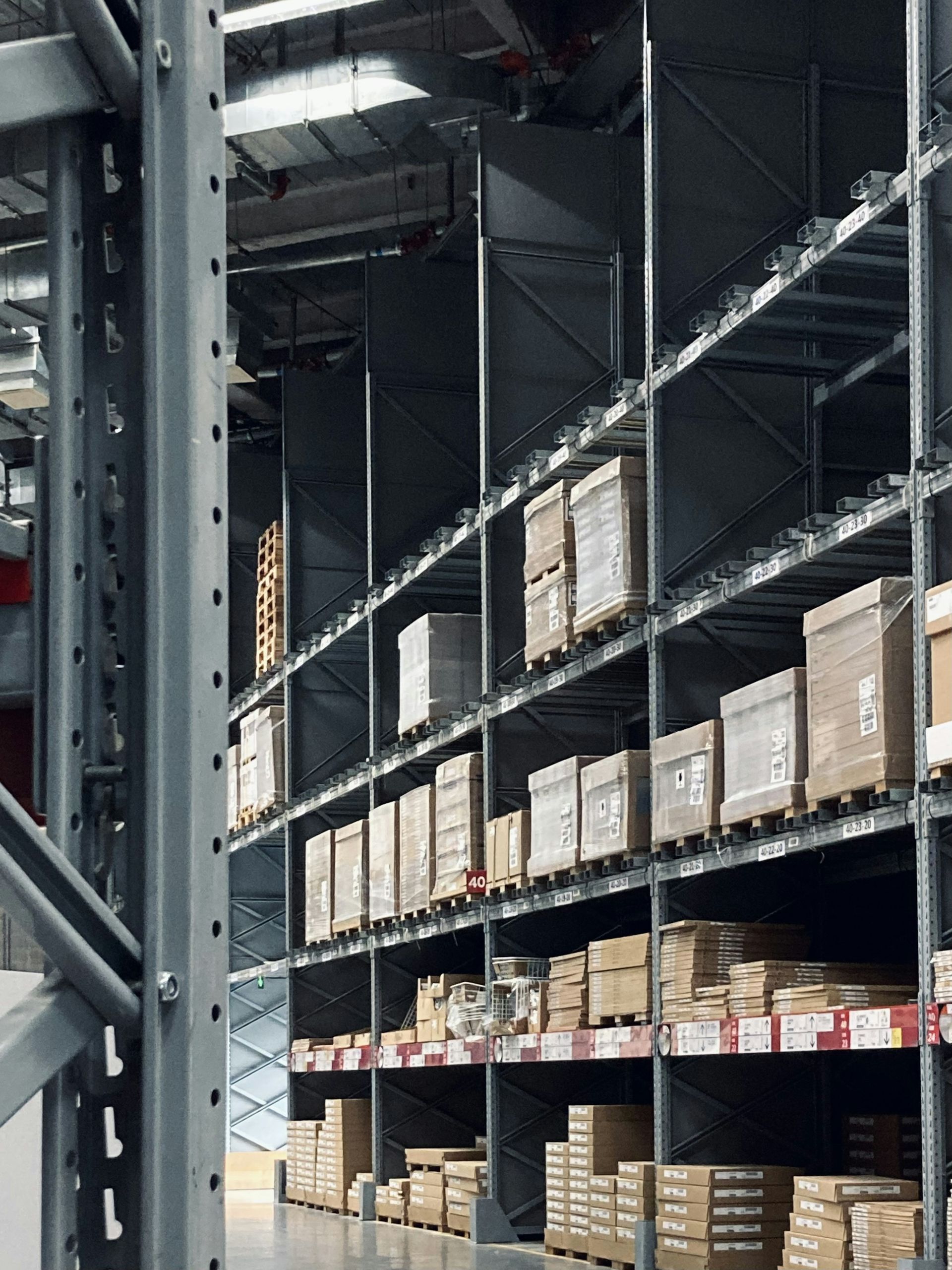
The complete guide to pallet racking inspection in Ontario.
Master pallet racking inspection requirements, CSA standards, and best practices for Ontario warehouses — from OHSA compliance to remediation timelines.
Why racking inspection matters.
Pallet racking systems are the backbone of modern warehouse operations, but they demand rigorous inspection and maintenance to ensure workplace safety. In Ontario, where the Occupational Health and Safety Act (OHSA) sets strict requirements, understanding proper inspection protocols isn’t just best practice—it’s a legal requirement. This comprehensive guide covers everything you need to know about pallet racking inspection, from regulatory compliance to practical implementation.
Workplace injuries related to racking failures cost Canadian businesses millions annually. When a racking system fails, the consequences are catastrophic: falling loads endanger workers, disrupt operations, and expose your company to significant liability. Beyond safety, improper maintenance leads to costly downtime, inventory damage, and regulatory penalties that can reach $2 million under Ontario’s OHSA (raised under Bill 41 / Working for Workers Four Act, 2024).
Regular inspections identify issues before they become dangerous, extending equipment life and maintaining safe working conditions. They’re not an optional expense—they’re an investment in your employees’ safety and your business’s longevity.
Ontario’s regulatory framework: OHSA and CSA standards.
Ontario’s pallet racking regulations operate within a layered compliance structure.
Occupational Health and Safety Act (OHSA)
Under Ontario’s OHSA, employers must ensure all equipment and devices are maintained in good working order. Section 32 specifically requires employers to maintain equipment safely, while Section 33 mandates regular inspections. The Act applies to all workplaces in Ontario, including private warehouses, distribution centers, manufacturing facilities, and retail operations.
The OHSA places responsibility on employers to implement a systematic approach to equipment maintenance, which includes documented inspection procedures, trained personnel, and corrective action protocols.
CSA A344-17 Standard
The Canadian Standards Association’s A344.2 standard provides the technical framework for pallet racking design, manufacture, and maintenance. This standard establishes:
- Load capacity ratings and safety factors
- Design specifications for uprights, beams, and connections
- Installation requirements and tolerances
- Inspection and maintenance procedures
- Documentation and record-keeping protocols
CSA A344-17 compliance is the gold standard in Ontario. Most insurance companies require compliance, and courts reference these standards when determining negligence in safety incidents. See the full racking glossary for term definitions.
While CSA A344-17 is not technically mandatory under OHSA, Ontario’s Ministry of Labour, Immigration, Training and Skills Development (MLITSD) treats non-compliance as evidence of inadequate maintenance. Following CSA A344-17 demonstrates due diligence and provides legal protection in the event of an incident or inspection.
What inspectors look for.
Professional and in-house inspectors use standardized criteria to evaluate racking systems. Understanding what they’re checking helps you implement effective inspection procedures.
Upright damage and deflection
Uprights are the vertical structural columns that bear the primary load. Damage to uprights compromises the entire system’s integrity. What to look for: Bent uprights, dents deeper than 25mm, holes or tears in metal, separation at welds, and lateral movement when pressure is applied. Even minor-looking damage can significantly reduce load capacity—a 50mm dent can reduce capacity by 20-30%. Why it matters: Damaged uprights cannot safely support the rated load. Minor damage may not be visible from ground level, which is why systematic close-range inspection is critical.
Beam deflection and sagging
Beams are the horizontal members that support pallets. Over time, or under excessive load, beams deflect (bend) downward. What to look for: Visible sagging, especially in the center of beams; permanent deformation that doesn’t return to original shape when load is removed; cracks, bends, or tears in beam flanges; separation of welds from uprights. Why it matters: Deflection reduces usable height and load capacity. If deflection exceeds limits specified in CSA A344-17 (typically L/180 where L is beam span), the beam must be replaced. Excessive deflection also causes pallets to slide, increasing accident risk.
Missing safety pins and connectors
Safety pins secure beams to uprights, preventing lateral movement and beam separation. Missing or damaged pins are a critical issue. What to look for: Beams without pins in one or both positions, bent or twisted pins, missing hairpins or secondary locks, and corroded pins that may not engage properly. Why it matters: Without secure pins, beams can shift during loading or if the rack is bumped by equipment. This dramatically increases the risk of catastrophic beam failure and load collapse.
Base plate and floor damage
Base plates anchor uprights to the floor, transferring load into the foundation. Floor damage or loose base plates destabilize the entire structure. What to look for: Bent or missing bolts, loose connections when tested, cracks in concrete around base plates, rust and corrosion, and uplift or separation of base plates from the floor. Why it matters: Loose base plates allow lateral movement, gradually working bolts loose and eventually allowing complete failure. Concrete cracks indicate settlement or deterioration that compromises anchoring.
Overloading evidence
Exceeding rated load capacity is a major cause of racking failure. What to look for: Permanent deformation of beams beyond normal deflection, visible cracking, uplift of load arms, and significant sagging that doesn’t correspond to recent damage. Compare actual loads to inventory records. Why it matters: Overloading creates cumulative damage that eventually causes failure. Even a single overload event can permanently reduce capacity and initiate crack propagation.
| Damage Type | Severity Level | Immediate Action Required | Timeline for Repair |
|---|---|---|---|
| Bent upright >50mm | Critical | Remove load, section out of service | Within 24 hours |
| Separation at welds | Critical | Remove load immediately, secure area | Within 24 hours |
| Missing safety pin | Critical | Remove load, install pin before reuse | Before next use |
| Beam sagging >L/180 | Moderate | Reduce load, schedule replacement | Within 1 week |
| Loose base plate bolts | Moderate | Reduce load, tighten bolts | Within 48 hours |
| Surface dent <25mm | Minor | Monitor during next inspection | Next scheduled maintenance |
| Rust or discoloration | Minor | Document and monitor | Plan remediation cycle |
In-house vs. professional inspection.
Ontario regulations don’t specify who must perform inspections—only that they must be performed regularly by competent persons. You have two options.
In-house inspection programs
Advantages: Lower cost per inspection cycle; staff familiarity with specific systems; immediate action on identified issues; ongoing awareness of system condition. Requirements for competency: Thorough training in CSA A344-17 standards; understanding of load capacity, deflection limits, and safety factors; hands-on experience with your specific racking systems; written inspection procedures and checklists; documented training records. Best practice: Combine in-house monthly visual inspections with professional inspections every 12 months. This approach catches emerging issues quickly while ensuring comprehensive evaluation by outside experts.
Professional inspection services
Advantages: Certified inspectors with extensive experience; independent, unbiased assessment; advanced measurement tools (deflection gauges, load testers); detailed reports for insurance and compliance records; professional liability coverage and legal defensibility. What professional inspections include: Complete visual examination of uprights, beams, and connections; measurement of deflection and vertical plumb; testing of safety pins and fasteners; assessment against CSA A344-17 standards; written recommendations with priority levels; certification documentation. Cost range: Professional inspections typically cost $1,500-$5,000 depending on system size and complexity. This is minimal compared to the cost of a single racking failure incident.
Inspection frequency & documentation.
Ontario regulations don’t specify exact inspection intervals, but CSA A344-17 and industry best practice recommend:
- Visual inspection: Monthly by trained staff
- Thorough inspection: Every 12 months by qualified inspectors
- After incidents: Any event that impacts the racking (collision, overload discovery, earthquake)
- After modifications: Changes to configuration, load distribution, or capacity
- Seasonal review: Before peak load periods
Documentation requirements
Maintain detailed records including:
- Inspection date and time
- Inspector name and qualifications
- Location and bay identification
- Observations and measurements (deflection, damage descriptions)
- Load capacity information if reduced
- Corrective actions identified and timeline
- Verification of corrections completed
- Photo documentation of damage (if significant)
“In the event of a workplace incident, the first question investigators ask is: ‘When was the last inspection?’ Having thorough, dated records demonstrates due diligence and may be the difference between regulatory compliance and significant penalties.”
Common damage types: description and response.
Understanding typical damage patterns helps you recognize issues during inspections.
Impact damage
Caused by collisions with forklifts or other equipment. Appears as localized dents, bent metal, or separation at welds. Small impacts may be cosmetic, but larger impacts reduce load capacity significantly. Any impact affecting uprights should be evaluated immediately; impacts to beams require load reduction pending professional assessment.
Corrosion and rust
In cold storage facilities, outdoor storage, or humid environments, rust develops on unpainted steel. Surface rust is cosmetic, but active corrosion pitting reduces material thickness and load capacity. Severely corroded sections must be replaced. Use protective coatings in moisture-prone areas.
Fatigue cracks
Repeated loading and stress cycles cause tiny cracks that grow over time. Fatigue cracks typically appear at weld connections or corners of beam-to-upright joints. Small cracks may not affect load capacity immediately, but they propagate progressively. Any crack requires professional evaluation; structural cracks necessitate component replacement.
Load arm separation
The horizontal elements that support pallets can separate from uprights if bolts loosen or connections fail. This is a critical issue—separated load arms cannot support load. Check all bolted connections regularly and apply threadlock compound to prevent loosening.
Uplift and base plate movement
Particularly in seismic regions or under dynamic loading, uprights can lift slightly at the base. This creates a gap between the base plate and floor, allowing lateral movement. This is serious—tighten base plate bolts immediately and have the floor inspected for subsidence.
How to schedule professional inspections.
When engaging a professional inspection service:
Verify credentials
Ensure the inspector is certified and has CSA A344-17 expertise. Ask about professional liability insurance.
Prepare your system
Clear aisles of obstacles, ensure safe access to all areas, and have inventory records available to assess load levels.
Communicate scope
Specify which areas to inspect, any known issues, and whether load testing is needed.
Schedule strategically
Conduct inspections during lower-load periods if possible, minimizing operational disruption.
Request detailed documentation
Require written reports with photos, measurements, and priority recommendations.
Review and act
Review findings immediately and create an action plan with timelines for corrections.
Create a 12-month calendar that includes monthly visual checks, professional inspections during planned maintenance windows, and seasonal reviews before peak periods. Share this schedule with your warehouse team so everyone understands the importance and expected disruptions.
Remediation timelines & repair protocols.
Once damage is identified, establish clear remediation timelines based on severity.
Immediate (within 24 hours)
Critical damage requiring immediate action includes bent uprights, weld separations, missing safety pins, or collapsed beams. Immediately remove the affected section from service, secure the area with warning signage and barriers, and prevent any loading in the damaged area. Notify your insurance carrier. Do not resume use until repairs are professionally verified.
Urgent (within 1 week)
Moderate damage including sagging beams, loose base plate bolts, or corroded sections requires remediation within one week. Reduce load capacity in the affected area (post reduced load limits clearly), order replacement components, and schedule repairs during planned maintenance. Document the corrective action and verification.
Planned (within 30 days)
Minor issues identified during inspection—small dents, surface rust without pitting, or worn paint—can be addressed through routine maintenance. Create a work order, allocate budget, and complete repairs during the next maintenance cycle.
Documentation: For every corrective action, record the date, damage description, action taken, who performed the repair, and completion date. This becomes critical evidence of due diligence in any future incident investigation. Our repair service documents every fix for your records.
Penalties for non-compliance in Ontario.
Ontario’s Ministry of Labour, Immigration, Training and Skills Development (MLITSD) takes racking safety seriously. Penalties for non-compliance include:
- Orders to remedy: Ministry can order facility closure or equipment shutdown until corrected
- Administrative penalties: Up to $2 million for corporations, $750,000 for individuals under OHSA violations (corporate maximum raised under Bill 41 / Working for Workers Four Act, 2024)
- Court-ordered penalties: In cases of serious injury or death, courts impose additional penalties plus criminal liability
- Director and officer liability: Company leaders can face personal liability if negligence is established
- Insurance impacts: Claims may be denied if inspections weren’t conducted, and premiums increase significantly
Beyond financial penalties, a serious incident damages your company’s reputation, operational capacity, and employee morale. Prevention through rigorous inspection is far more cost-effective than managing consequences.
Creating your inspection plan.
To implement an effective inspection program:
Assessment
Document your current racking system (size, age, load capacity, condition). Identify any known issues or previous damage.
Training
Train warehouse staff on basic inspection procedures using CSA A344-17 guidelines. Develop written inspection checklists specific to your equipment types.
In-house monthly inspections
Assign responsibility for monthly visual inspections. Use standardized checklists and document all findings.
Professional annual inspections
Schedule professional inspections with a qualified service provider. Budget for remediation based on findings.
Documentation and tracking
Maintain a central record of all inspections, findings, and corrective actions. Make this accessible for regulatory review.
Remediation and verification
Address findings according to severity timelines. Document completion and verification of all repairs.
Key takeaways.
- Ontario’s OHSA requires regular equipment inspection and maintenance—pallet racking falls under this requirement
- CSA A344-17 standards provide the technical framework and demonstrate due diligence in compliance
- Implement a hybrid approach: monthly in-house visual inspections plus annual professional inspections
- Critical damage (bent uprights, missing pins, weld separation) requires immediate action within 24 hours
- Maintain detailed documentation of all inspections, findings, and corrective actions for regulatory and liability protection
- Failure to maintain safe racking systems can result in fines up to $2 million (Bill 41, 2024), facility closure, and personal liability for company leadership
- Regular inspection identifies issues early, extends equipment life, and most importantly, protects worker safety
Need help with your racking inspection?
Our certified inspectors can assess your warehouse systems against CSA A344-17 standards and provide detailed remediation recommendations.
60 seconds · no obligation · across the GTA · (647) 692-4416