









How to choose stretch wrap
Pick the roll by how you wrap (by hand or on a machine), then pick the gauge by how heavy and sharp your loads are.
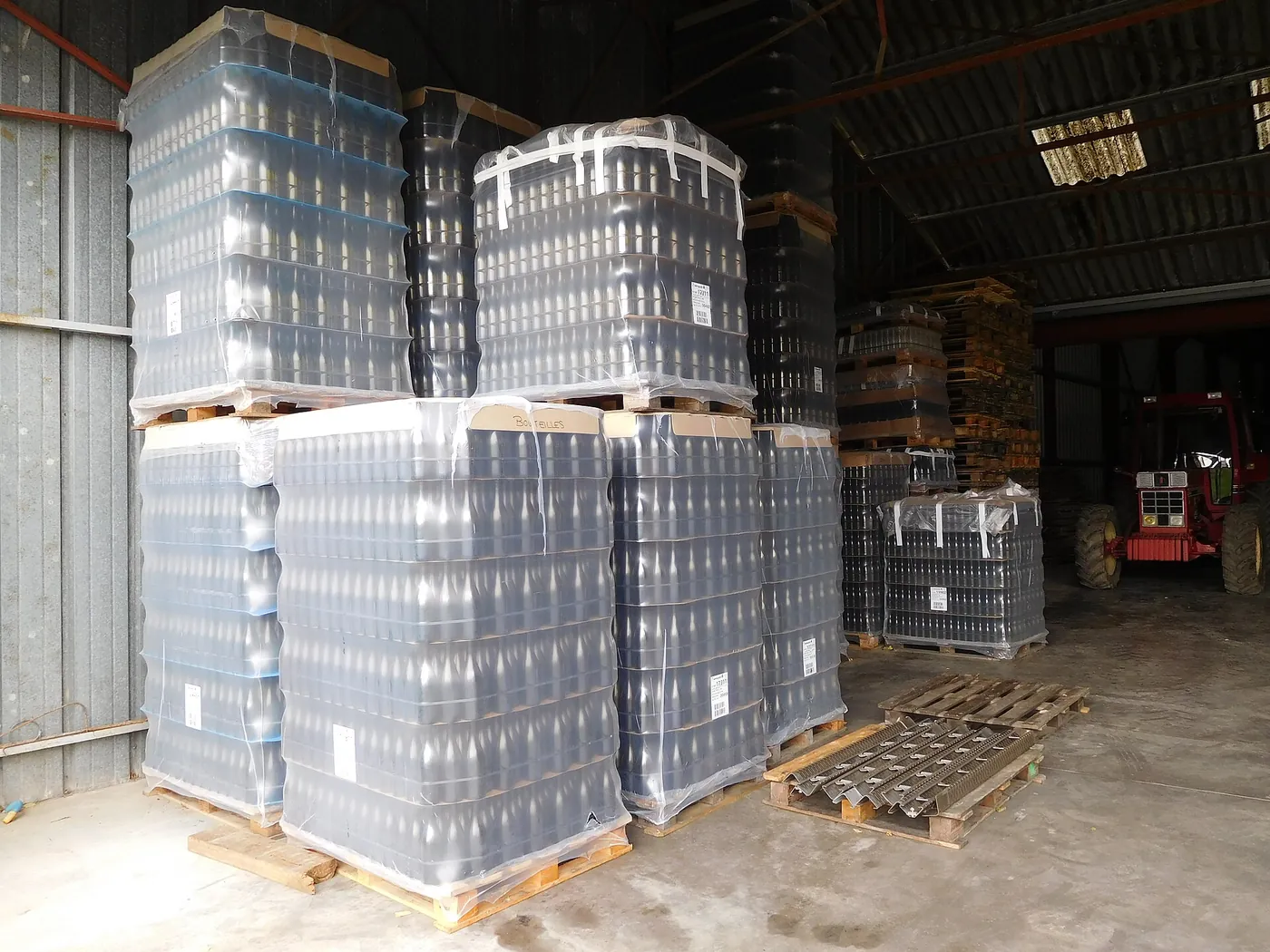
1. Hand or machine
| Hand wrap | Machine wrap | |
|---|---|---|
| Width | 12" to 18" (18" is the most common) | 20" |
| Roll length | 1,000' to 1,500' | 5,000' and up |
| Best for | A few pallets a day | Turntable wrappers and high volume |
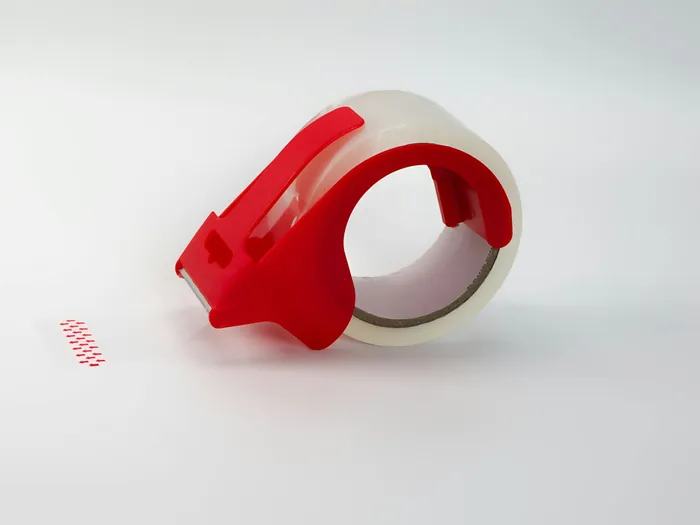
A hand dispenser keeps tension even and saves your hands. Ours fits 3" cores and 12" to 20" rolls.
2. Gauge
Gauge is the film’s thickness. Higher gauge is thicker and tougher. 80 gauge is about 20 microns.
- 60 to 70 gauge: light, even loads like boxed goods
- 80 gauge: most mixed pallets, and the one most people start with
- 90 gauge and up: heavy loads and loads with sharp corners or edges
3. Cast or blown
- Cast film is clear, unwinds quietly and clings well. You can read labels through it.
- Blown film resists punctures better on sharp loads, but it’s hazier and louder to unwind.
Tips for a tight wrap
- Tuck the film end into the pallet before you start the first wrap.
- Wrap the base two or three times to lock the load to the pallet.
- Overlap each pass by about half the film width on the way up.
Buying by the case? Volume pricing is shown on each product, and stretch wrap goes on the same quote as the rest of your order.